
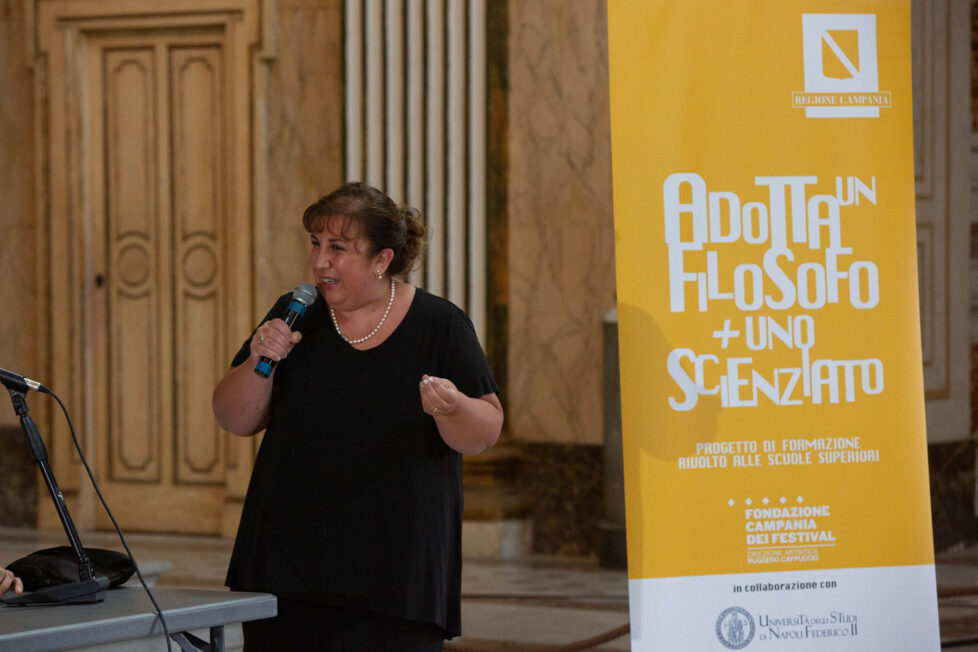
Adopt a philosopher + a scientist 2023
category: education
“Science does not rest upon solid bedrock [...]. It is like a building erected on piles”; this image by Karl Popper is among the most famous ones used to depict the nature of scientific knowledge itself, or rather: its shaky foundation. If we go back to the ' long chains of reasoning, simple and easy as they are ' that Descartes believed to rest on an unconfounded foundation instead, we can easily measure how much distance there is with those philosophical systems which, at the beginning of the modern age, were supposed to preserve the objectivity of scientific knowledge from the methodological consciousness accompanying research in science today.
Does this mean that the ambition to arrive to an objective truth is no longer justified? Of course not, because an objective truth is not a definitive one. But then, what is it really? And how does it relate to the opposite dimension, which we are accustomed to call 'subjective' (given a vocabulary full of philosophical resonances)? How is this distinction drawn? Which is object, and which is subject? These are questions which both science and philosophy have always pursued, and which arise today with urgency, considering the impact given by science (and technology, its ally) on the private sphere, but also, if not above all, on public decisions of great relevance.
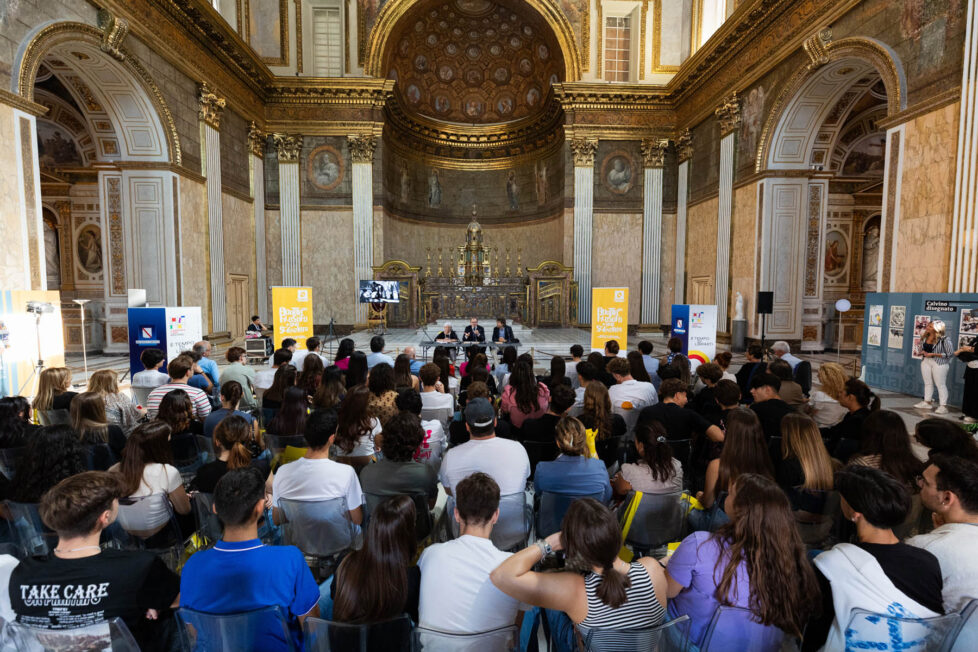
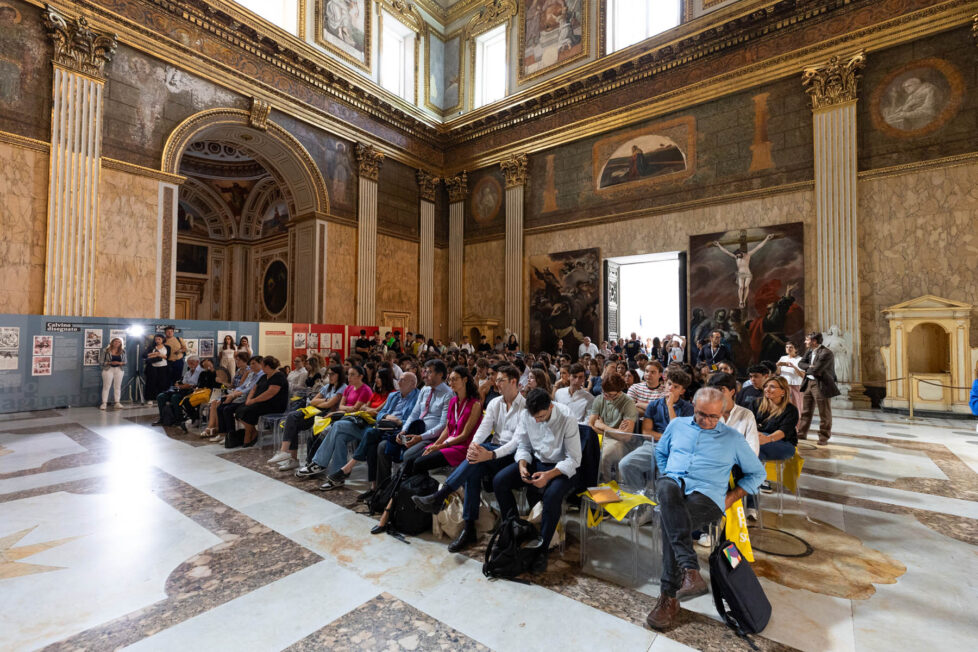
In an attempt of giving an answer to this question, 'Adopt a Philosopher + a Scientist' asked scientists and philosophers to discuss the issue with students from upper secondary schools in Campania.
"Two things fill the mind with ever new and increasing admiration and awe, the oftener and the more steadily we reflect on them: the starry heavens above and the moral law within" (I. Kant, Critique of Practical Reason)
Scientists and philosophers in plural, because the articulation of such plurality is part of the question: is there a single science, a single scientific method, a unified encyclopaedia of all sciences in which to run smoothly from one knowledge to another, or does such unification represent only a remote regulatory ideal? And above all: how do we regulate the relationship between science and other forms of knowledge? Between the so-called hard sciences and the somewhat less hard ones? Between the always revisable truth of science and... what? Do different regimes of truth even exist? And how do we handle connections between science, knowledge and opinions, which in a democratic and pluralistic society enjoy a fundamental and incompressible freedom of expression? So many questions, for which it will be important to stimulate the curiosity of those students who will attend the meetings. Each question points to an open road, and it will be up to the youth to explore it first and to then be able to go further and further on the road to education, knowledge and meaning.

in collaboration with
PDF BOOK
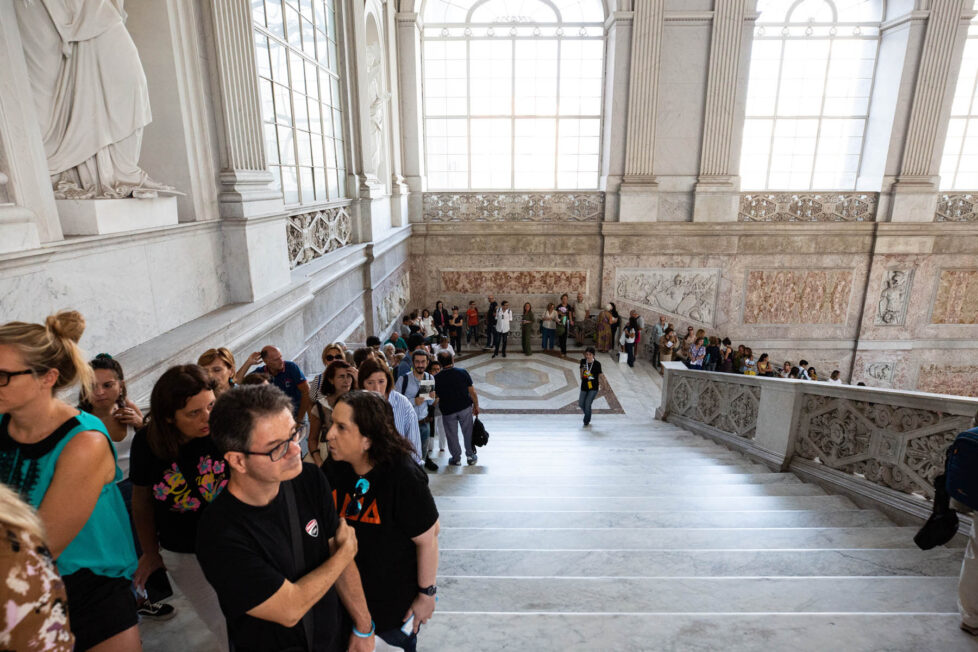
Award ceremony
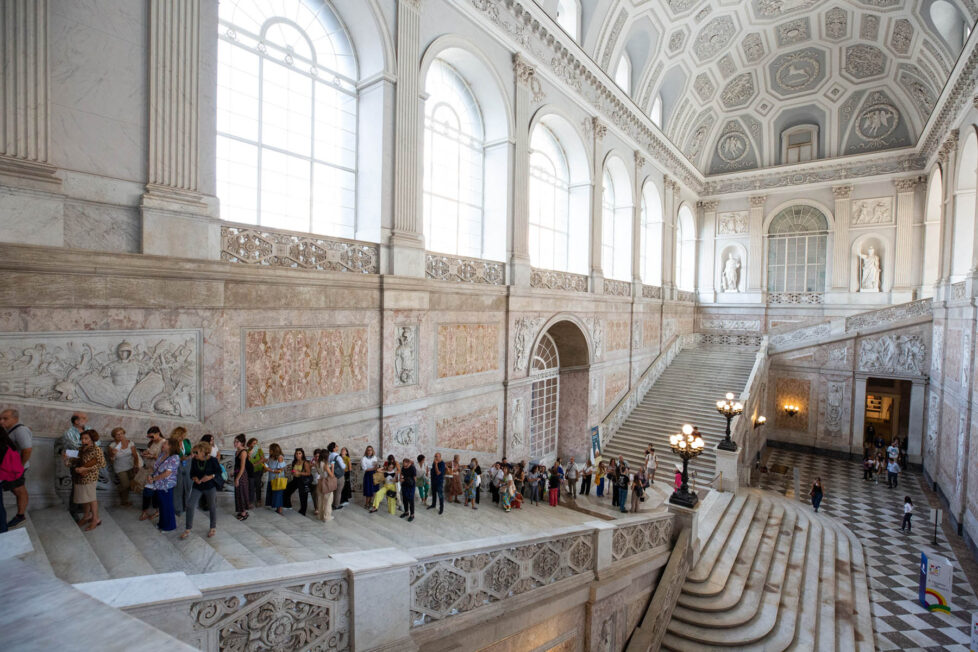
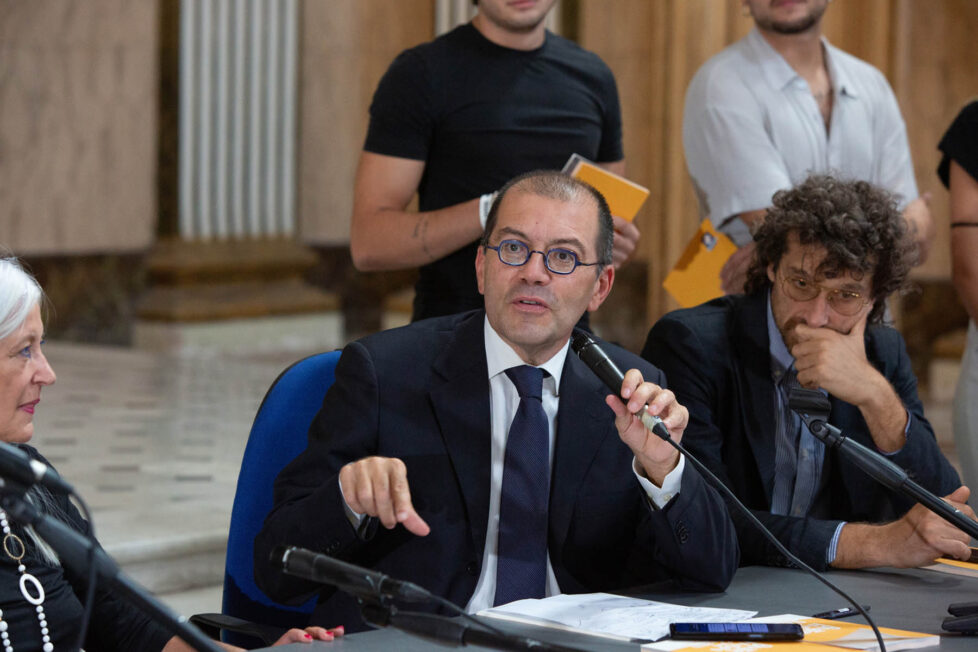
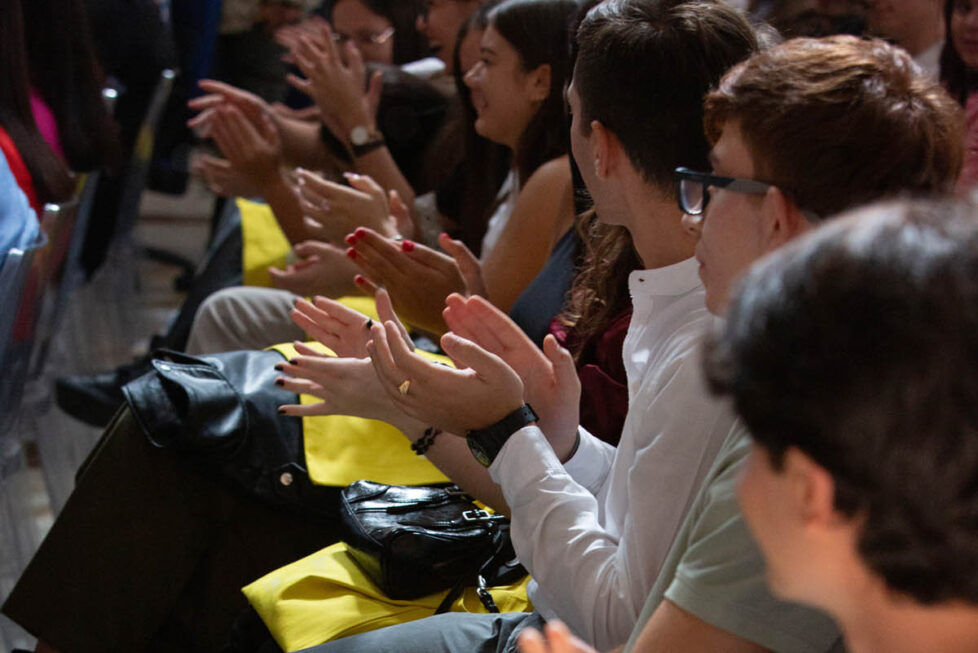
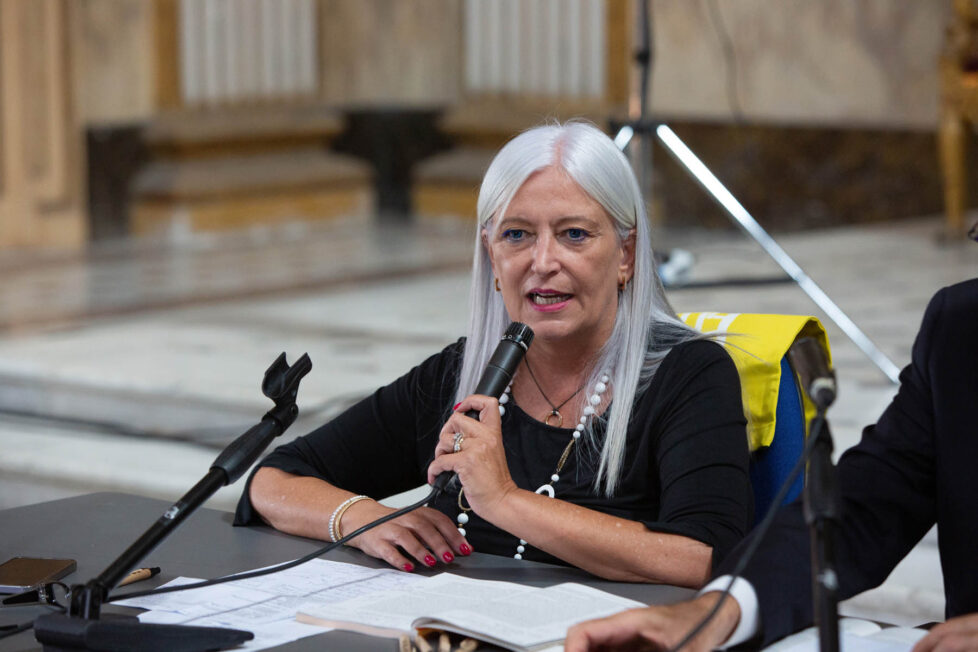
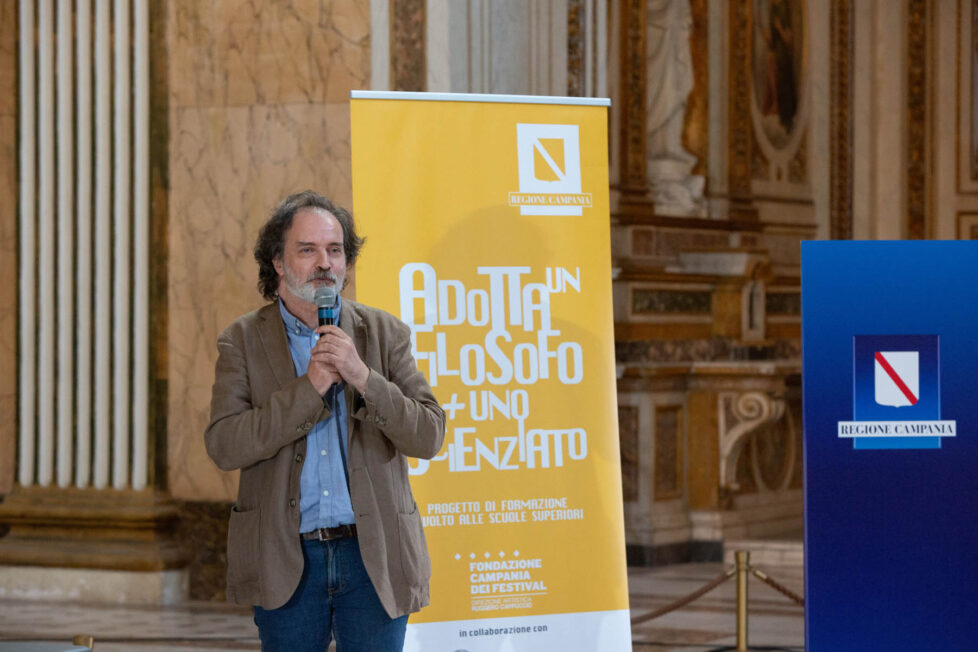
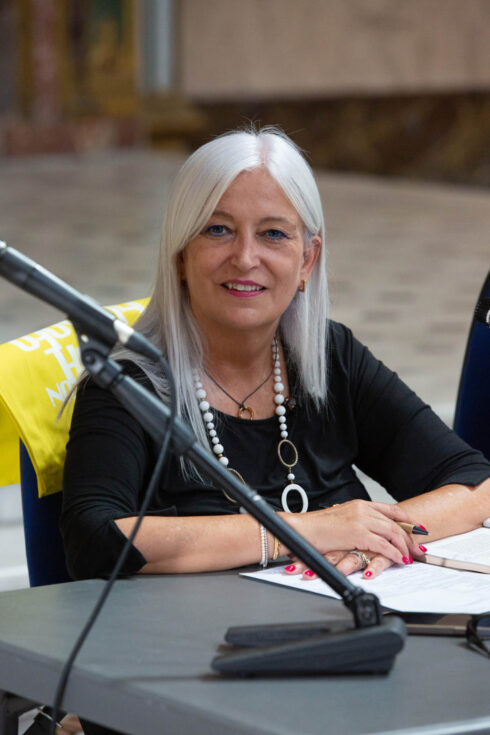
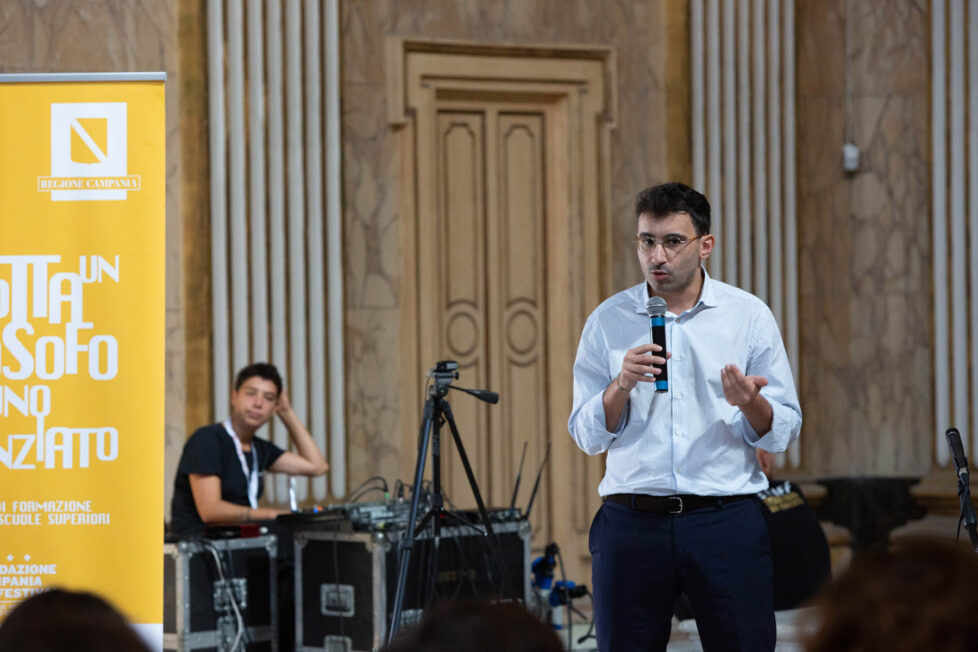
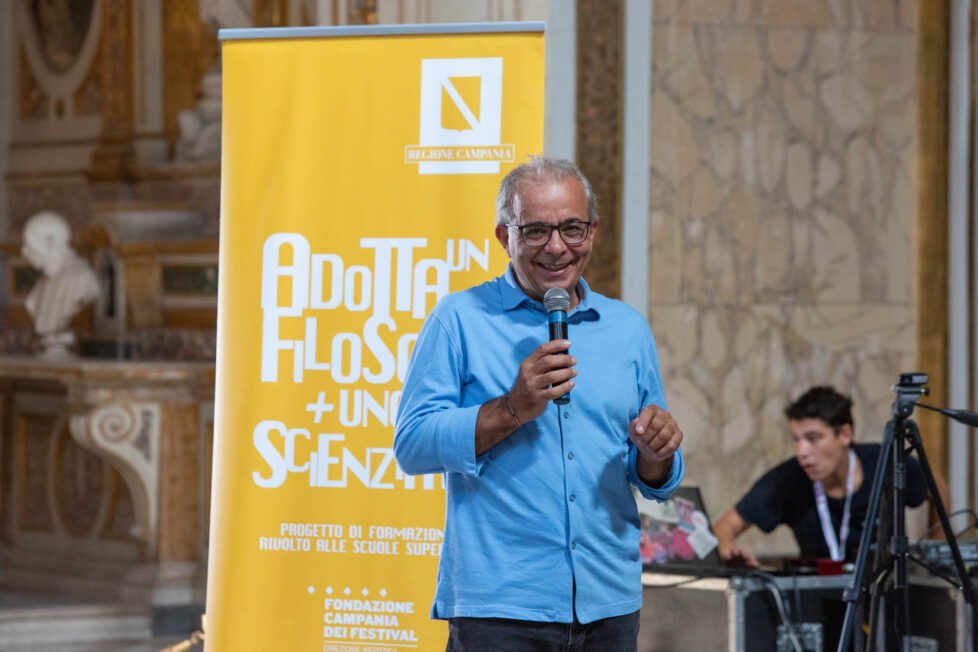
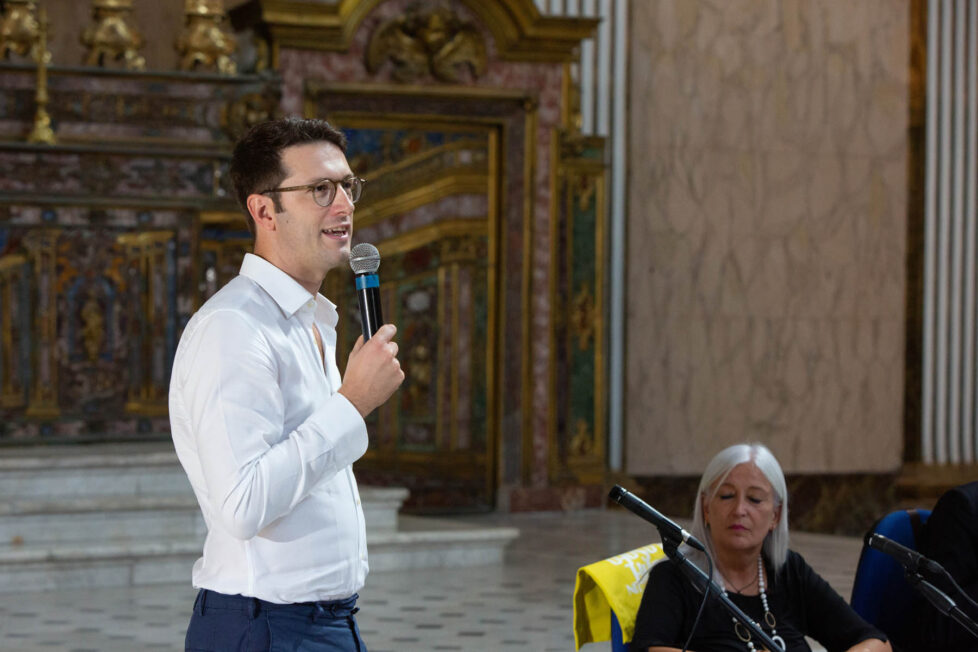
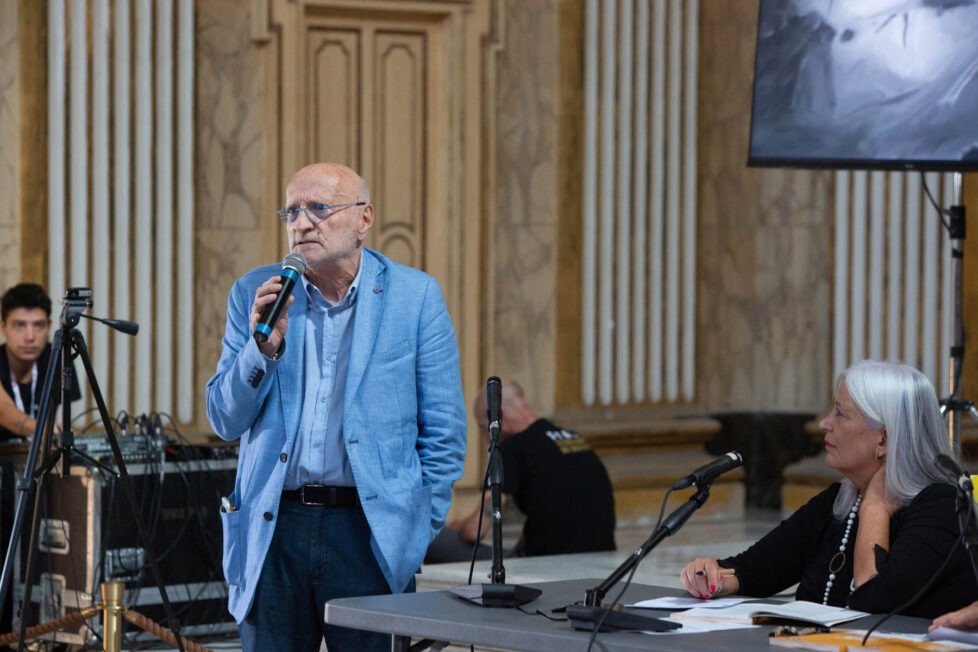
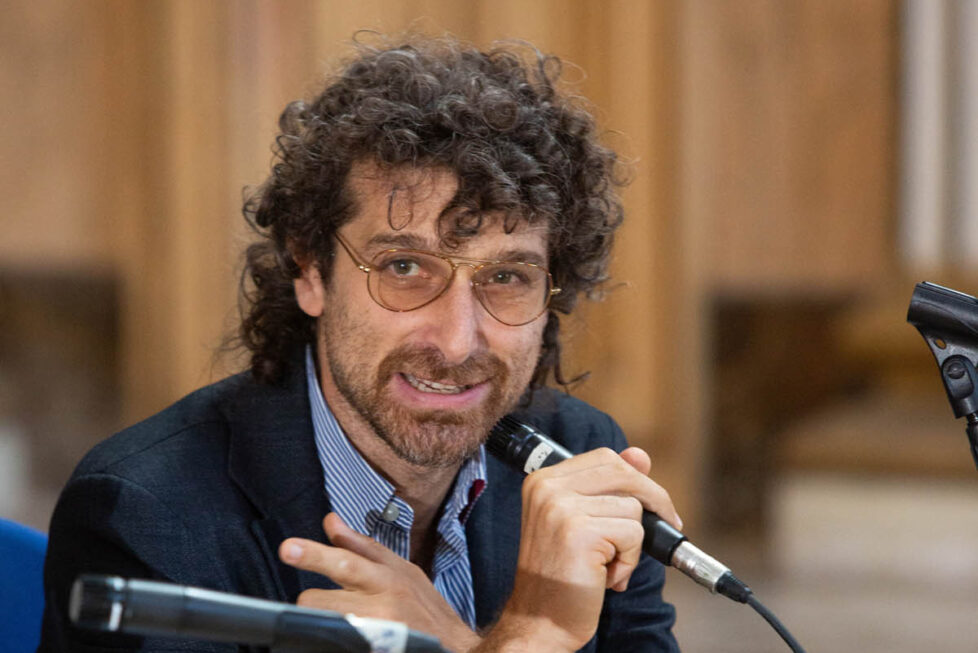
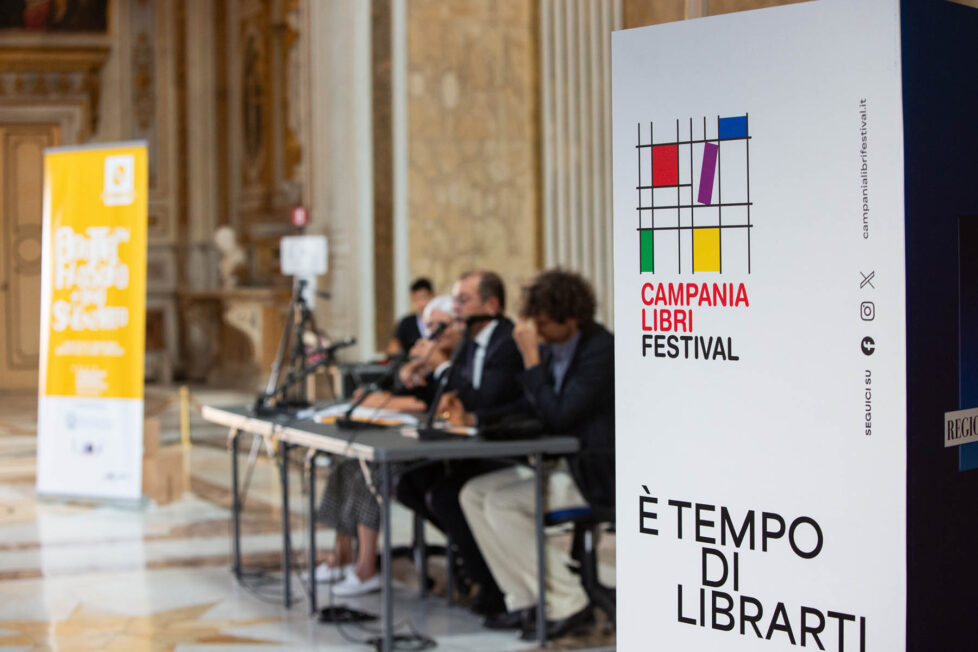
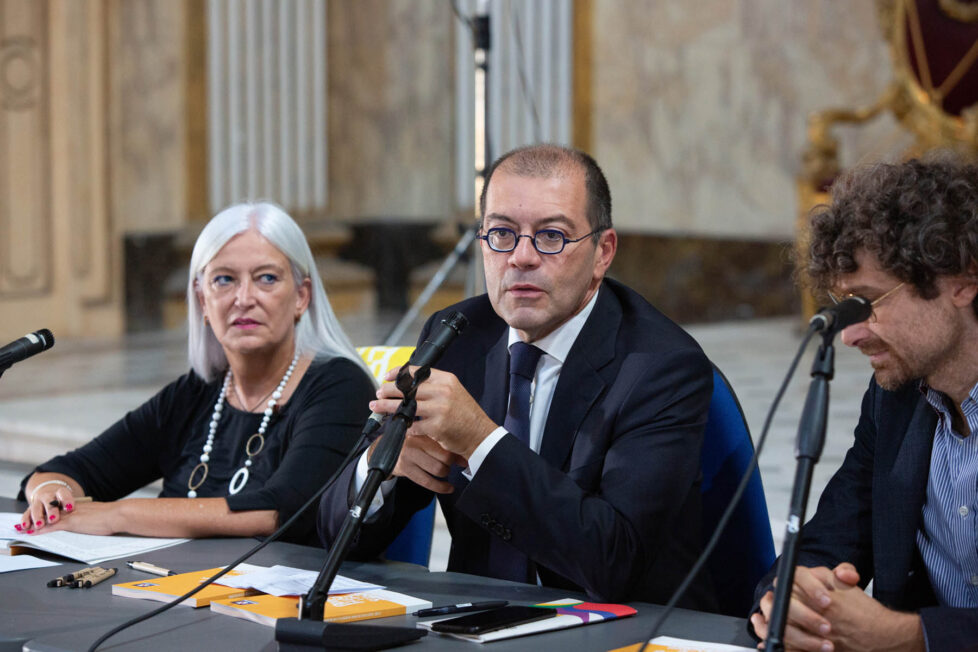
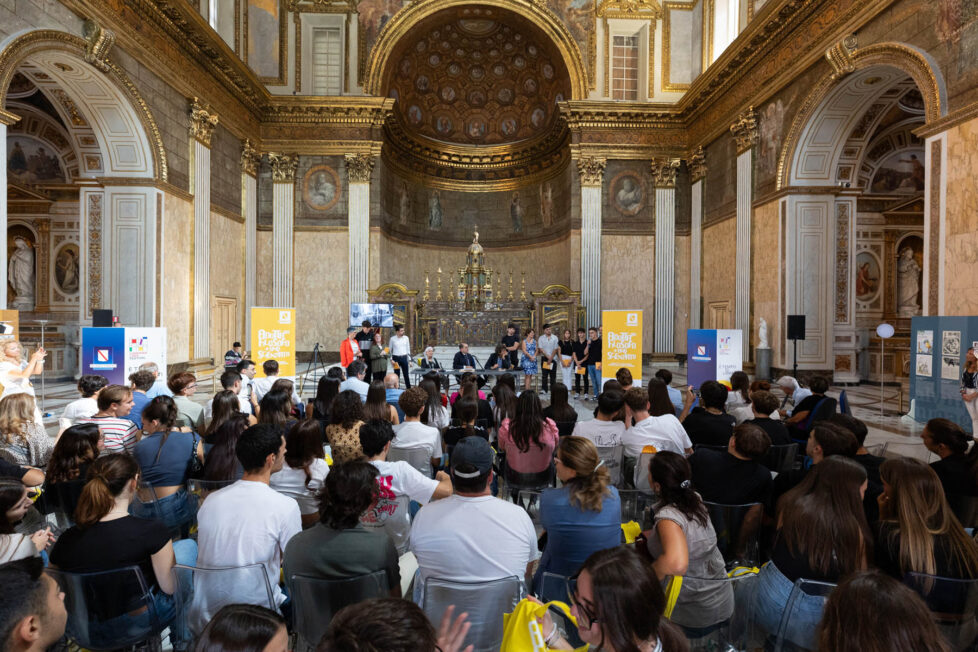
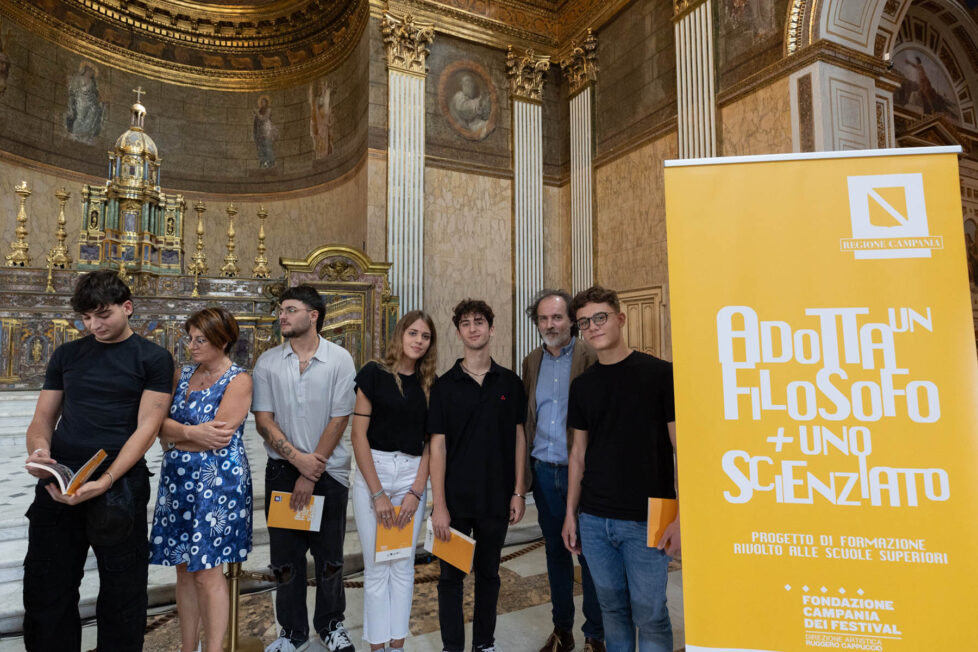
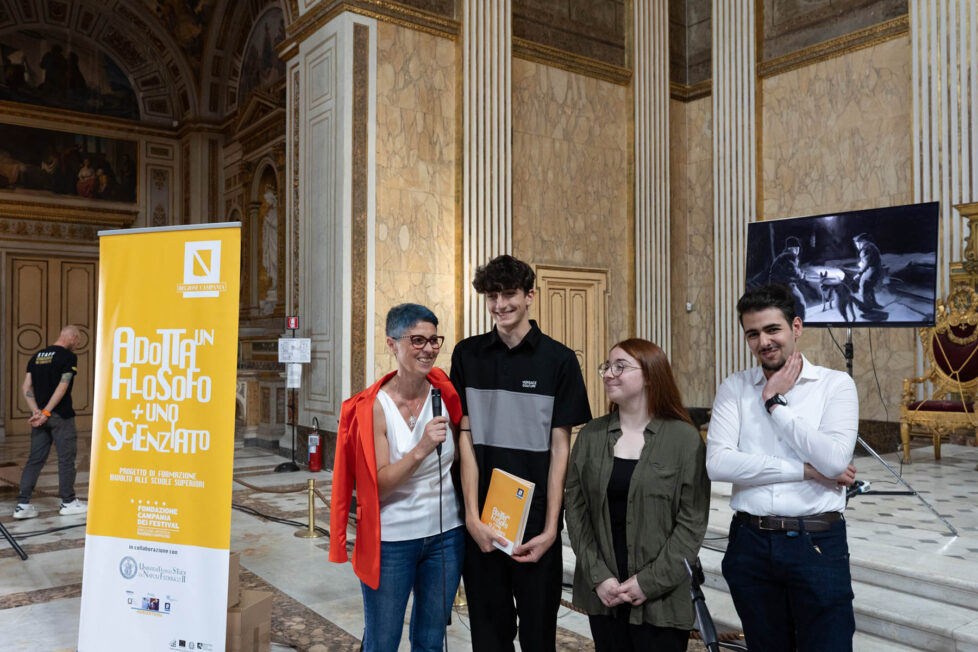
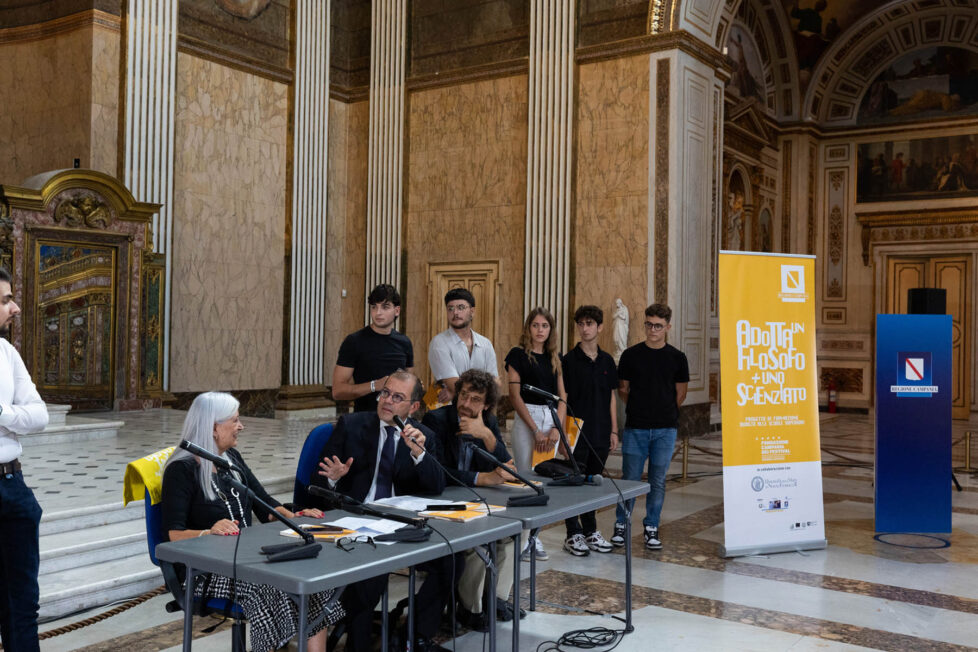
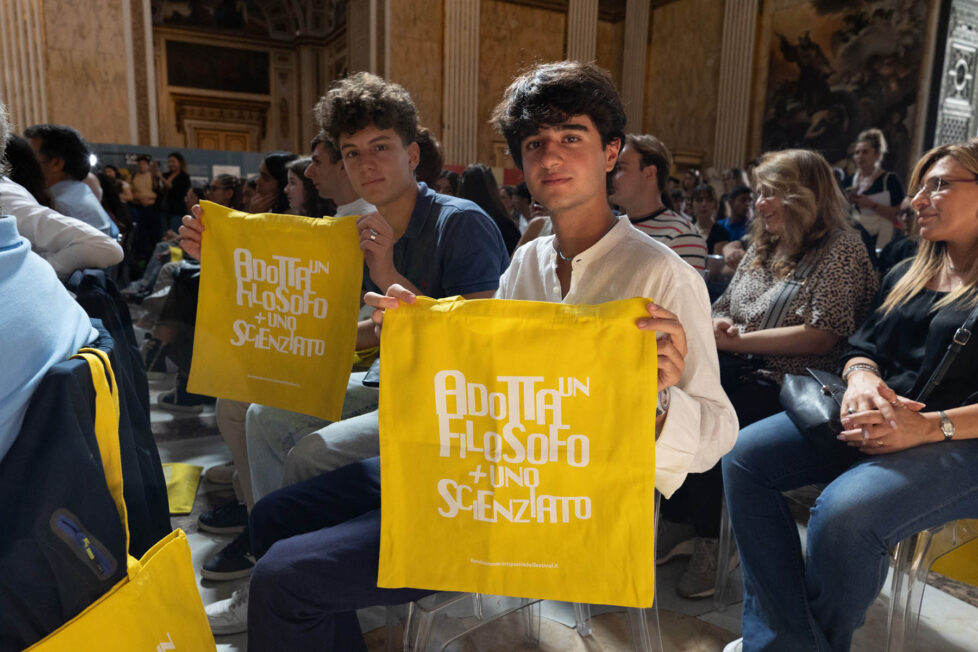
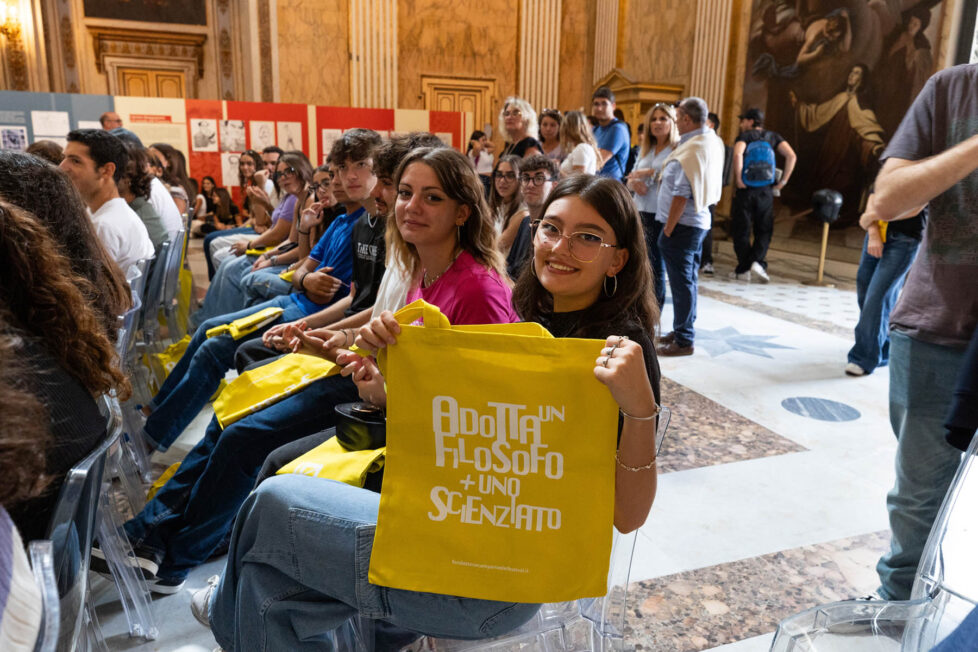
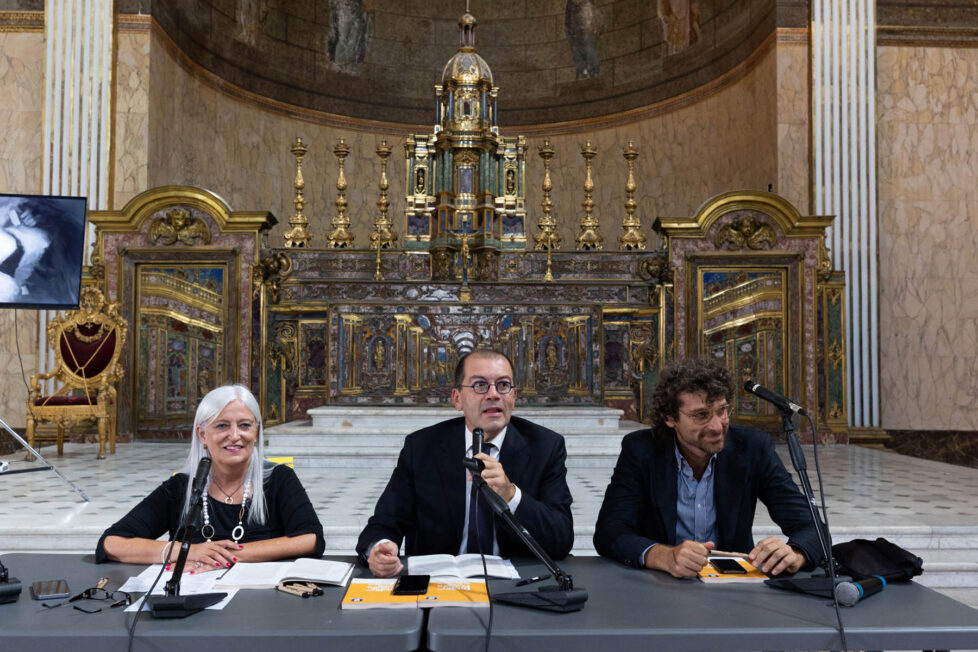
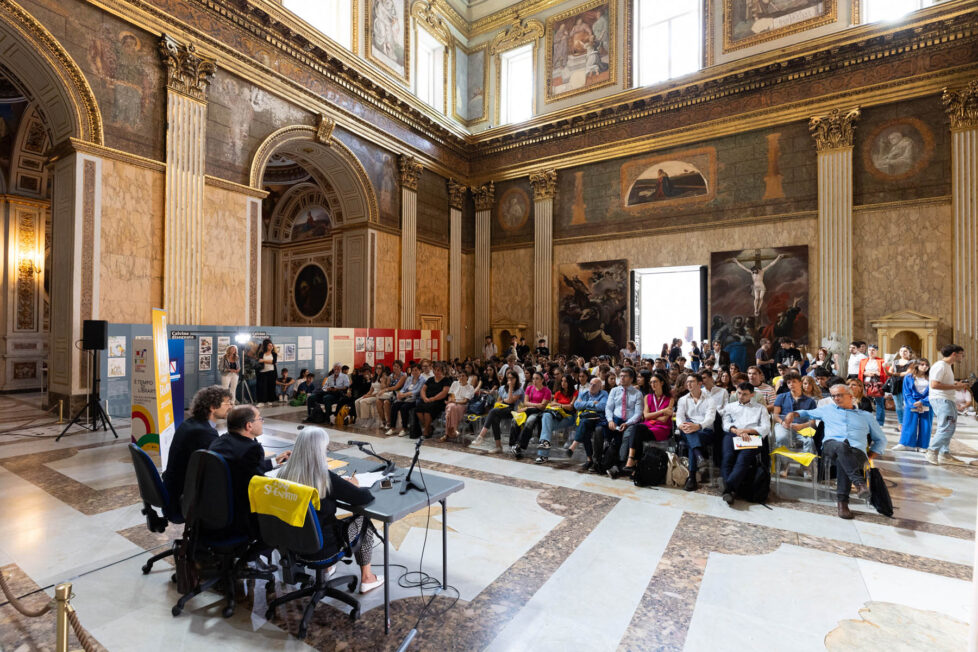
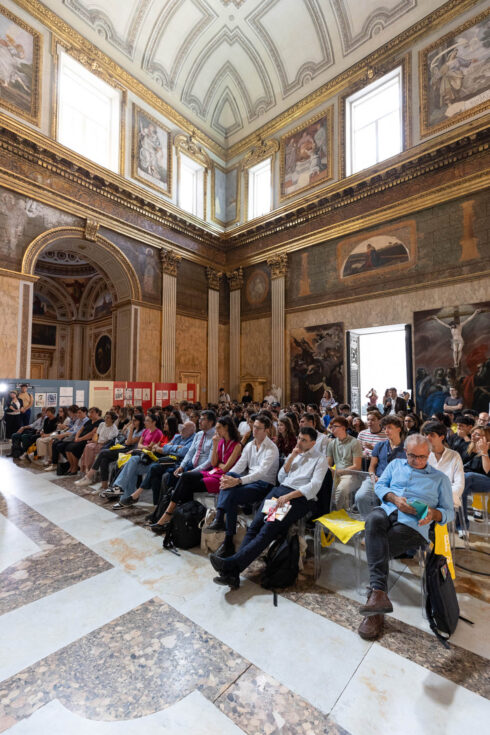
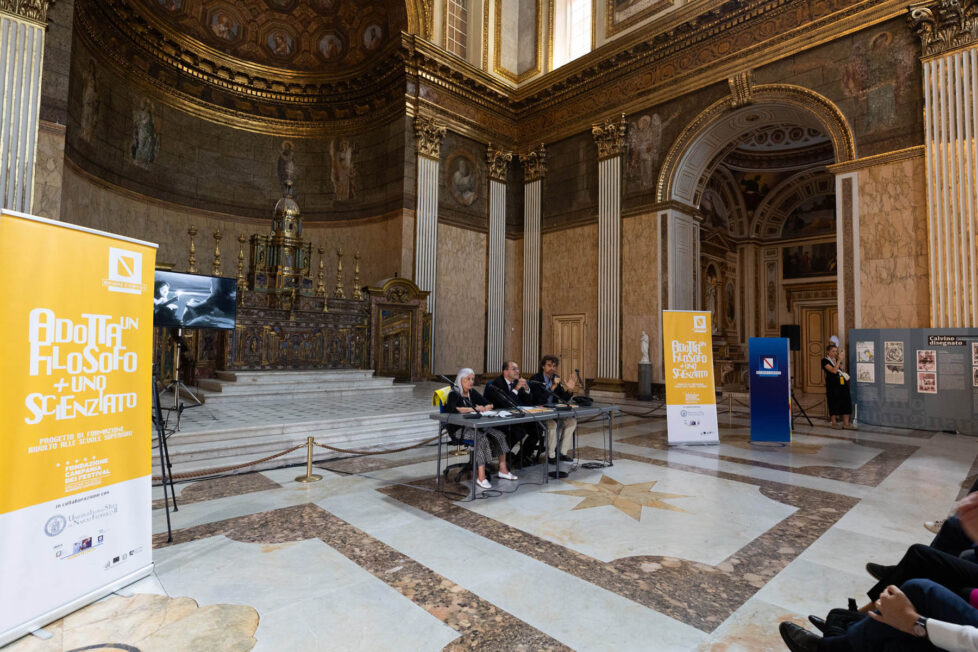
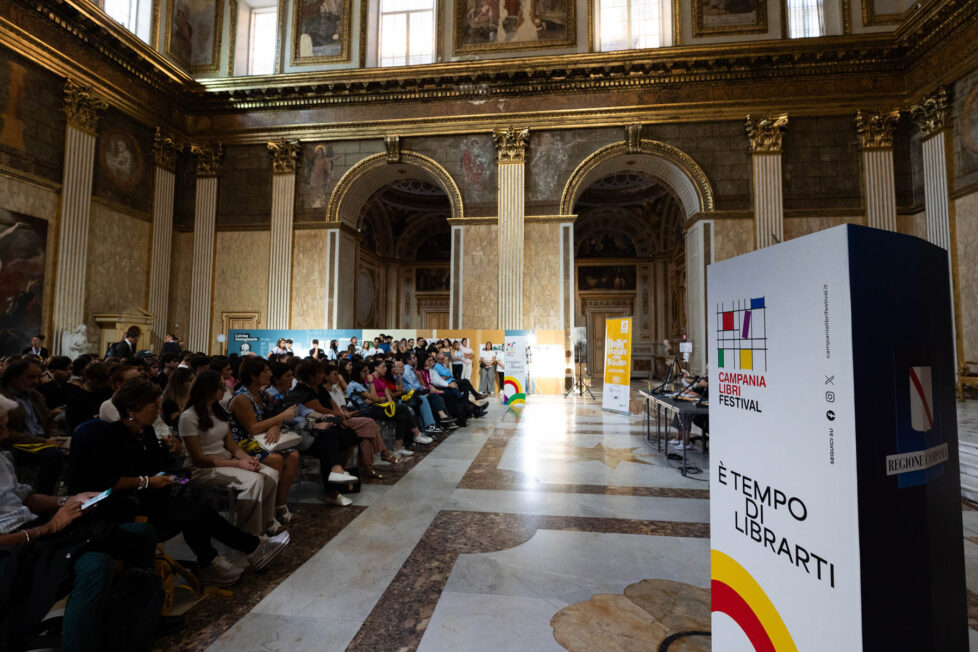
Winners
Liceo Scientifico Vittorio De Caprariis di Atripalda (AV)
alunni Felicia Ambrosone, Roberto Meoli, Christian Manzo
incontro Antonio Branca e Antonello Astarita
Giambattista Vico di Nocera Inferiore (SA)
alunni Gerardo Maccauro, Luigi Rescigno, Claudia Siniscalchi
incontro Nicola Capone e Alberto Porzio
Leonardo da Vinci di Poggiomarino (NA)
alunni Angelo Tessitore, Ludovica Guastaferro, Saverio Duraccio
incontro Agostino Cera e Antonello Merlino